Signal: AI Labelling Is A Workflow Problem
Labelling becomes a workflow problem: it needs memory, ownership and simple rules before the final document gets shipped or implemented. AI labelling is not just about putting a sticker on the finished thing.

AI Labelling Is A Workflow Problem, Not Just A Compliance Thing
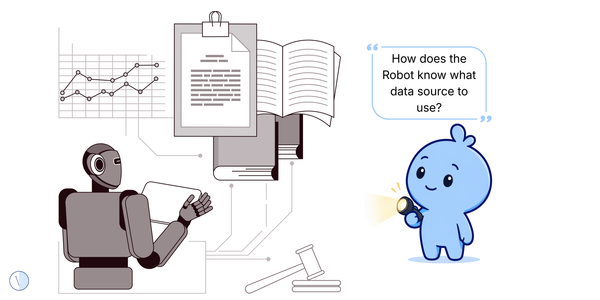
The final AI output may be easy to label but the messy human-AI path that made it is much harder to see.
The final content may get a label, while the path that made it needs memory.
What showed up
A document gets marked as AI-generated, but the process behind it includes prompts, edits, rewrites, screenshots, reviews and approvals. The final sticker gives a simple answer, but the workflow behind it is where the actual risk and confusion often live.
Why it matters
AI labelling is not just about putting a sticker on the finished thing, all teams need to know when AI was used, where it changed the output, who reviewed it, and when the final version stopped being machine output and became human-edited work.
The pattern
The label is usually attached at the end, however, the important decisions happen along the way. That is why labelling becomes a workflow problem: it needs memory, ownership and simple rules before the final document leaves the building.
Where this shows up in everyday work
- A marketing team uses AI to draft copy, then edits it heavily, but nobody knows whether the final post needs a label.
- A HR team uses AI to rewrite candidate communications, then wonders whether the content is AI-generated, AI-assisted or simply edited.
- A comms team screenshots AI output, rewrites it in a deck, and loses the trail of what came from where.
- A policy says “label AI content” but does not explain who labels drafts, edits, summaries, images or mixed human-AI work.
What to watch before it becomes another programme
- Do not wait until final publication to think about labelling.
- Define what counts as AI-generated, AI-assisted and human-edited in everyday language.
- Assign ownership for label decisions instead of leaving them to the last person touching the file.
- Keep a lightweight record of AI use in higher-risk communications.
- Watch for workflows where AI output is copied, edited, screenshotted or moved between tools.
The Satire
We labeled the destination but the journey remains a mystery.
Related Vieews paths
Signals pull the thread. Guides help check it. Playbooks hold the heavier structure when needed.
Chaos
The Blue Blob and the Labelled Picture
The discovery scene that started this thread.
Guide
AI-Generated Content Labelling Workflow Check
Use the practical check when you need the next simple move.
Playbook
Context Map
Use the heavier structure when this thread needs more depth.
Useful context
The EU AI Act and related research make AI-generated content transparency a real operating issue, but the practical challenge for teams is often how to track AI use through messy editing workflows.
These are Vieews, not bibles. Use them as lenses, not legal advice, investment advice, HR policy, or a replacement for doing your own investigation. If a line makes the spreadsheet uncomfortable, excellent: ask one more question, tug on that thread, and do not get fired.