Guide: TAM Reality Check
TAM is a useful way to think about market scale, maybe vision. A big market does not automatically mean a business can reach it, serve it, win it or make money from it.

TAM Reality Check
Use this when a very large market-size number is doing too much work in the debate.
TAM is not the market, TAM is the story the spreadsheet tells about the market.
Use this when
Use this when a company, project, AI strategy, startup or transformation case is leaning hard on a huge market-size number.
The basic problem
TAM (Total Addressable Market) is not negative, in fact, it should be seen as positive because TAM is a useful way to think about market scale, maybe vision. The problem starts when “addressable” begins acting like “already reachable.” A big market does not automatically mean a business can reach it, serve it, win it or make money from it.
The pattern
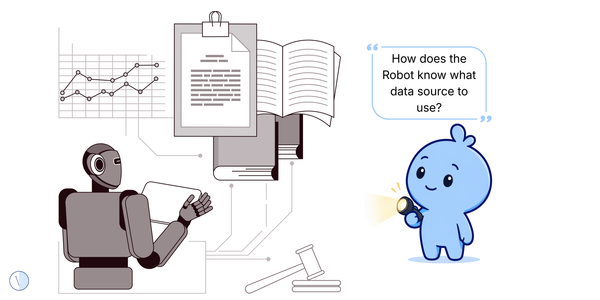
Good TAM flows from reachable customers, urgent pain, distribution, capacity and proof. Fantasy TAM starts with a huge number and works backward until the future looks tidy.
The check
If the customer cannot be described plainly, the market is still mostly fog. “Enterprises,” “developers,” or “everyone who uses AI” are not enough, get to the human, team, budget owner or buyer.
A market is not a group of people who could theoretically care, it is people with a problem urgent enough to pay for, switch behaviour, tolerate friction and keep using the product after the demo glow fades.
Addressable should mean reachable. If distribution, regulation, infrastructure, adoption, trust or integration blocks access, the market is not fully addressable just yet.
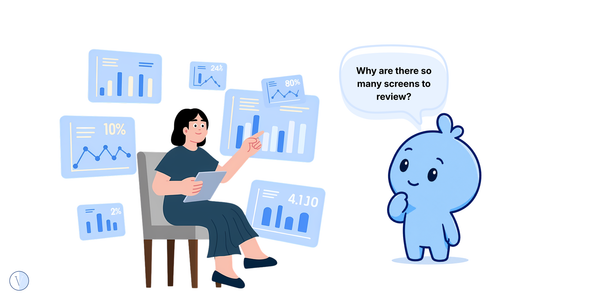
Every TAM number hides assumptions. Pull the assumptions into daylight. Does the customer need new hardware? New behaviour? New regulation? New infrastructure? New trust? New budget?
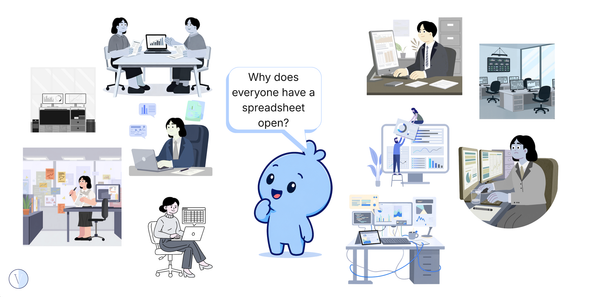
Separate current revenue, current demand, early pilots, future options and pure imagination. They can sit in the same story, but they should not wear the same certainty badge.
Markets do not address themselves because someone has to build, serve, support, maintain, secure, integrate and scale the work.
Look for energy, labour, supply chain, regulation, customer behaviour, integration cost, support cost and failure recovery. These areas would be usually where the future sends its invoice.
Good models include ways they could be wrong, look for these. If pure hype models, they will only continue to expand.
Incentives always matter 'aka follow the money.' Founders, bankers, investors, vendors, media and employees may all benefit from a bigger story, that does not make the story false, but it does mean the story has gravity.
Before believing the whole market, find the smallest evidence that real customers are already behaving as assumed.
What good looks like
A good TAM conversation ends with a clearer map of what is real, what is reachable, what is speculative and what has to happen next.
What to do next
Pick one claim in the market-size story and write the sentence: “For this to become real, the following five things must happen…” That is usually where the actual work begins.
The Satire
If the market is only addressable after three miracles, two regulatory changes and a rocket launch, maybe label the cell “aspirational.”
Related Vieews paths
Guides are practical checks. Signals show the pattern. Playbooks hold the heavier structure when needed.
Signal
When TAM Becomes Future Imaginable Market
Pattern behind this guide.
Guide
Future Value Assumption Map
Next step if the TAM is tied to future businesses.
Playbook
Digital Work Portfolio
Useful when the future market depends on existing work, systems and assets.
Useful context
This Guide is linked to the SpaceX IPO discussion as a current example of future-value stories, infrastructure bets and market imagination.
These are Vieews, not bibles, use as basic lenses, not prediction, investment advice, or a replacement for doing your own investigation. If a line makes the spreadsheet uncomfortable, excellent, ask one more question, tug on that thread (don't get fired!).