Signal: Agents Need Boundaries Before Autonomy
Agents need boundaries before autonomy. A playground is not delay; it is where the fence gets designed.

Agents Need Boundaries Before Autonomy
Autonomy sounds exciting until the agent gets access to the office door, the database and the approval button.
Agents need boundaries before autonomy. The playground is not bureaucracy; it is the fence before the robots meet the enterprise.
What showed up
AI agents are being discussed as digital workers that can plan, act and use tools, which makes them more powerful than chatbots. It also means they can touch more systems, make more moves and create new failure modes if they are released before the boundaries are clear.
Why it matters
An assistant answers questions, the agent takes actions and this shift changes the risk. Once an AI can take actions, connect tools, trigger workflows or talk to other agents, the organisation needs to know where it can go, what it can change, who can stop it and what happens when it gets confused.
The pattern
The pattern is that autonomy often gets sold as freedom before the operating fence is built. Useful agents need a safe playground: allowed actions, blocked actions, logging, escalation, test data, human stop points and clear owners.
Where this shows up in everyday work
- A customer service agent can draft replies, but should it issue refunds without a human?
- A finance agent can pull data, but should it post adjustments or trigger approvals?
- A coding agent can make suggestions, but should it delete files, merge changes or update production systems?
- Multiple agents can coordinate tasks, but nobody has mapped what happens when they hand work to each other.
What to watch before it becomes another programme
- Ask what actions the agent can take, not just what it can say.
- Create a safe test space before connecting live systems and sensitive data.
- Give agents narrow permissions first, then expand only after evidence.
- Make sure humans know how to pause, inspect or reverse agent activity.
- Watch for agent-to-agent workflows where responsibility becomes fuzzy.
The Satire
How to automate chaos; skip all the boundaries.
Related Vieews paths
Signals pull the thread. Guides help check it. Playbooks hold the heavier structure when needed.
Chaos
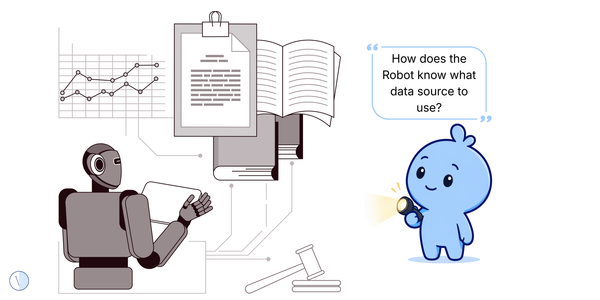
The Blue Blob and the Little Robot Playground
The discovery scene that started this thread.
Guide
Agent Interaction Risk Map
Use the practical check when you need the next simple move.
Playbook
Readiness Gate
Use the heavier structure when the topic needs more depth.
Useful context
Recent agent-risk discussions are moving toward monitoring, containment, layered safeguards and mapping actions, data flows and connected systems. The practical workplace version is simple: fence first, autonomy second.
These are Vieews, not bibles. Use them as basic lenses, not legal advice, investment advice, or a replacement for doing your own investigation. If a line makes the spreadsheet uncomfortable, excellent: ask one more question and tug on that thread.