Signal: AI Creates Supervision Work Before It Removes Work
AI creates supervision layers before the work is transformed because AI does not only automate work
Signal: AI Creates Supervision Work Before It Removes Work
Vieews translates AI, digitisation, and work noise into the operational question underneath.
Signal detected
AI does not only automate work
Why this is showing up now
Agentic AI shifts the question from “what can the tool generate?” to “who supervises the workflow when software can act, trigger, draft, or escalate?” Trust and governance research is increasingly pointing to persistent gaps as organisations move into agentic systems.
Operator translation
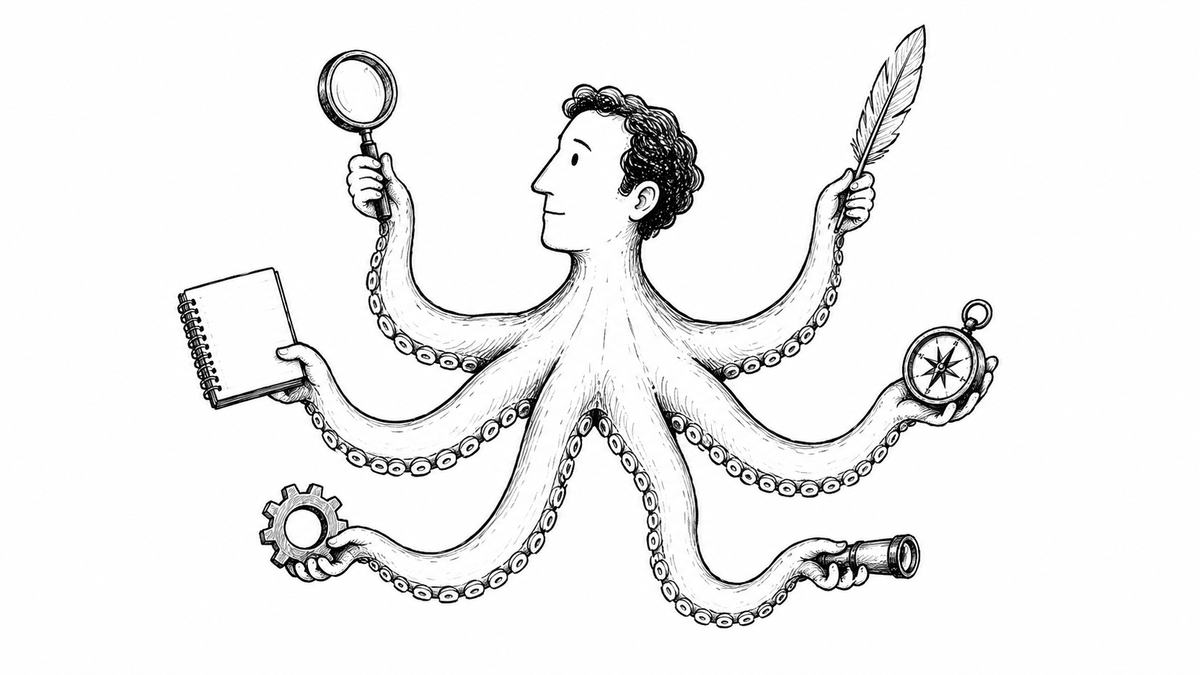
AI does not only automate work unfortunately, it creates supervision work: training, monitoring, exception handling, ownership, knowledge maintenance, and review.
Where this shows up in everyday work
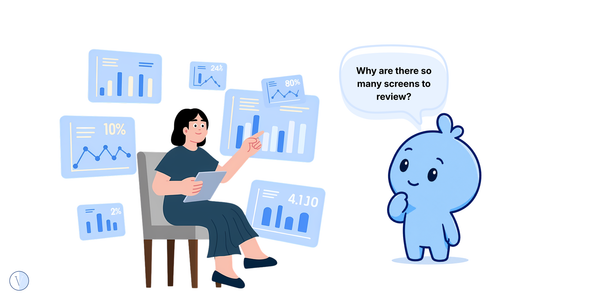
- A team deploys an assistant, then adds a dashboard to monitor it, then adds a weekly meeting to explain the dashboard.
- Users are told AI will save time, but nobody knows who improves its knowledge base.
- The agent technically works, but exceptions pile up in the same human inbox.
What to watch before it becomes another programme
- Agent outputs with no owner.
- Escalations that land in a shared mailbox.
- Governance owned by everyone and therefore no one.
- A new AI supervisor role created after rollout instead of before design.
Vieews paths
Use the lighter Guide if you need a practical next move. Use the Playbook if the work has become important enough to structure.
Chaos
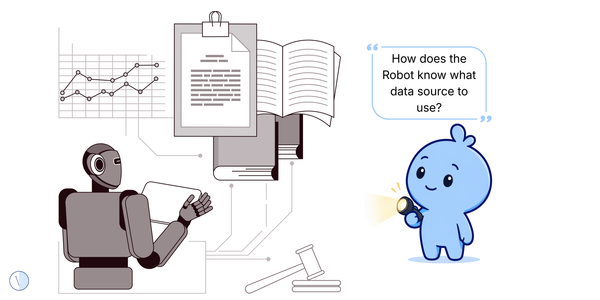
Why Do You Need an AI Agent to Manage an AI Agent?
The discovery scene that opened the thread.
Guide
Guide: Design Human + Agent Supervision Without Creating Agent Sprawl
The lighter practical move attached to this signal.
Playbook
Human + Agent Team Design
The deeper system for when this becomes recurring work.
Source stack
Signals are grounded in public sources, then translated into the Operator layer.
The scenarios in The Chaos are relatable narrations of organisational workplace patterns; details are illustrative and not references to any specific employer, client, person, or live incident.