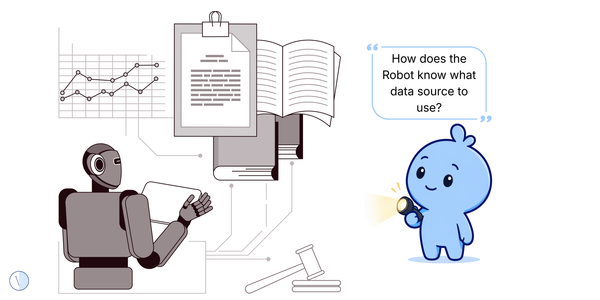
Patterns
Shadow Excel Syndrome: Is Your Workflow Really A Spreadsheet?
Quick check to reveal what role that dependable 'local' excel file is playing in your workflow and dashboards.

Patterns
Quick check to reveal what role that dependable 'local' excel file is playing in your workflow and dashboards.
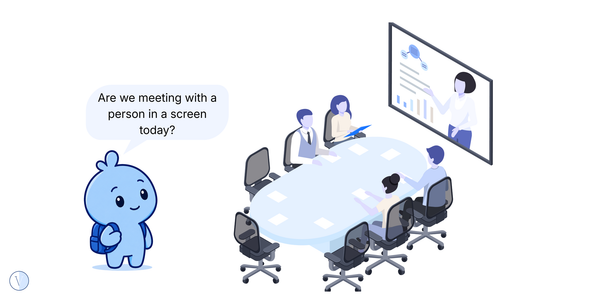
Patterns
Quick check on how much heavy lifting that recurring meeting is doing for your formal operation systems. Have you ever wondered if the meeting should be part of your process maps?
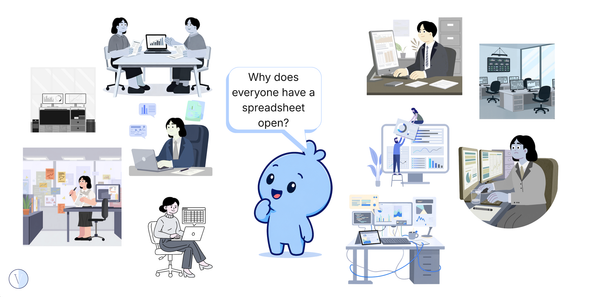
Patterns
Quick check on how much heavy lifting the spreadsheet is doing compared to your official tools... or maybe the spreadsheet is the official-unofficial tool?
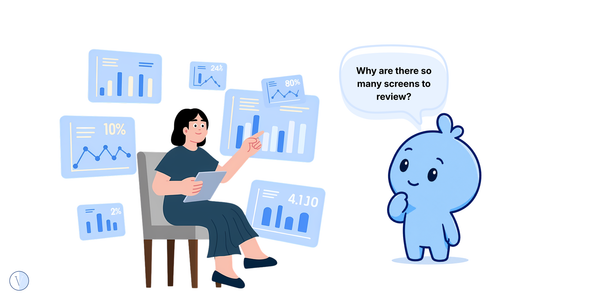
Five quick questions and the detail behind it about what happens when content generation gets faster but human attention does not move at the same speed.
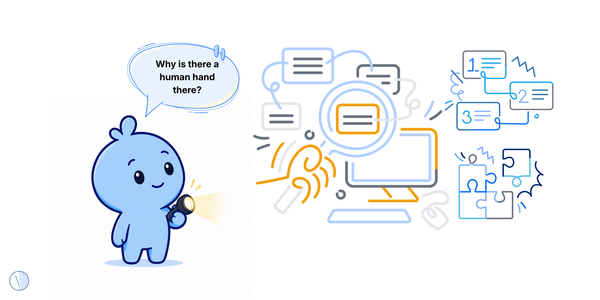
Five quick questions about the invisible human integration between systems, teams, rules knowledge, and exceptions.

Guides
A lightweight workforce scenario check for connecting today’s junior intake with the future pool of experienced people available for leadership roles.

Patterns
Quiz on what happens if you cut entry level today to save cost immediately, but discover the missing manager several years later. This is a projection, not a prophecy but the pipeline deserves a look.

Responsible use needs examples, not just a poster. Allowed AI Use Rules Starter helps turn the policy intent into practical examples people can follow.
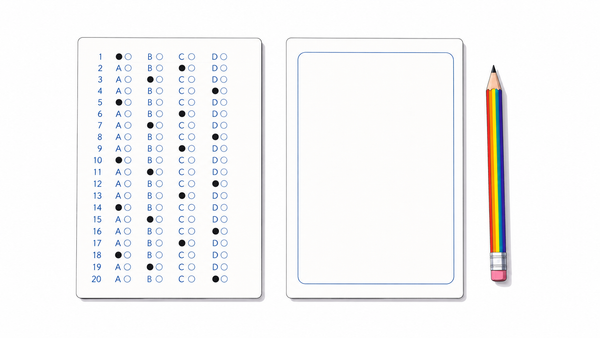
This guide helps managers, HR teams, universities, early-career workers and team leads check whether a junior role is still designed for learning because AI may have changed the task mix.

If humans are babysitting the AI, that time belongs in the AI cost story. AI is now common enough that a lot of hidden work is becoming the new normal.

The boring table that enables upgrades, automation, and AI integration into workflows. Tools don’t equal capability. If you can’t list it, you can’t govern it. First choose an area of friction where you may be thinking of adding AI layer or other upgrades, and run these steps.
Technology changes but Patterns return. Follow the work to discover the Pattern insights with a Quiz, Guide or Toolkit.
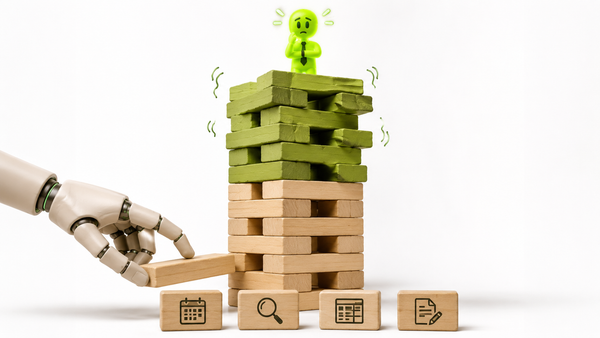
A lightweight foundational-work check for identifying what a starter task teaches before automation removes or changes it. Pick one starter task, don't redesign the entire graduate programme today.

A quick workforce quiz about AI removing routine starter work that also provided practice, feedback and organisational learning. The task was repetitive. It was also where people learned what “good” looked like before the difficult cases arrived, but AI is here.

A simple role check for seeing which starter tasks disappeared, which judgement tasks moved earlier and what support replaced the old learning path. Pick one junior role i.e. one role, one team, one current workflow.

A quick career-pattern quiz about routine starter tasks being automated while judgement, verification and strategic thinking move earlier into junior roles. The role is entry-level but the jobs now include reviewing AI, spotting subtle errors, explaining exceptions and defending recommendations.
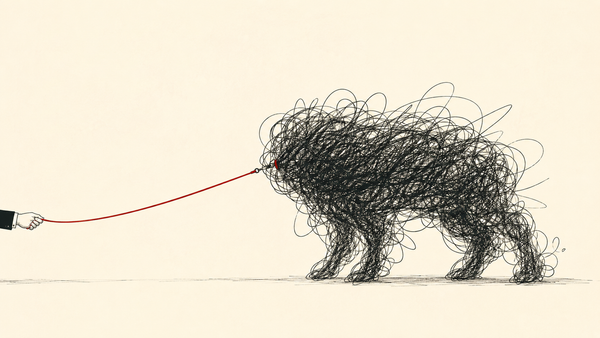
A lightweight check for defining what one agent may recommend, prepare, approve or execute and where a human must take over. Pick one agent and one workflow, try not to design the enterprise autonomy framework today.
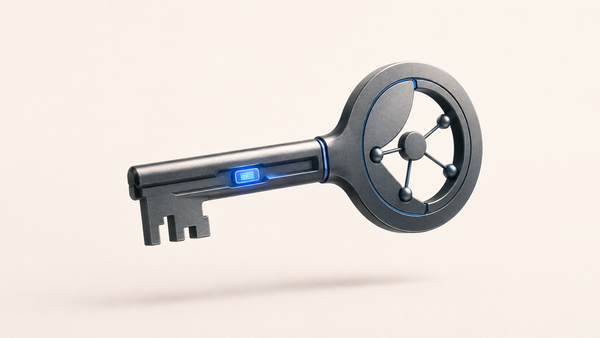
A quick scenario quiz for defining how far an AI agent can go before human approval, escalation or accountability is required.

A simple agent ownership check for one AI agent, automation or scheduled workflow that can act after its original creator steps away. Pick one agent to practice the check with, not the full inventory yet.

A quick workplace quiz about AI agents that remain after their creators exit and the agents retain schedules, permissions, dependencies and business responsibilities.
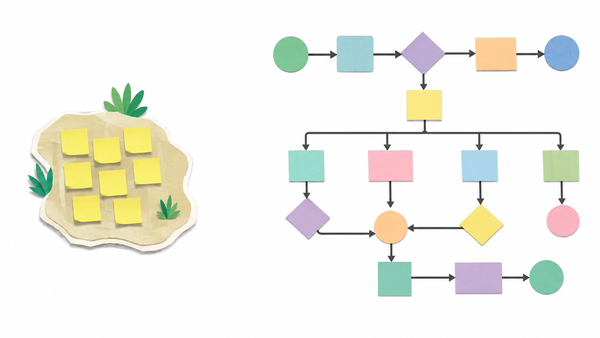
A lightweight retry check for following one AI task from first call to accepted outcome. Pick one repeatable AI tasK but don't attempt to audit the whole stack.

A quick quiz about failed outputs, regeneration, silent retries and the hidden cost of brittle AI workflows. Ask, then regenerate, then switch model and try again. The answer eventually arrives but so does the invisible cost.

A quick AI value check for connecting one workflow’s usage to the actual work it completes. Pick one workflow e.g. customer case, analysis, report, coding task, classification step or internal request.

A quick quiz about AI usage, tokens, model choice and why completed business outcomes matter more than a bigger usage number. Tokens doubled, text generated doubled but did the decision closure time improve?