Guide: Clean Up Dashboard Sprawl
Does your organisation have definitions of the questions each dashboard is supposed to answer? Who owns it, and when it should be retired?

Guide: How to Clean Up Dashboard Sprawl.
A practical field guide for Operators who need action without another heavy framework.
Why this guide exists
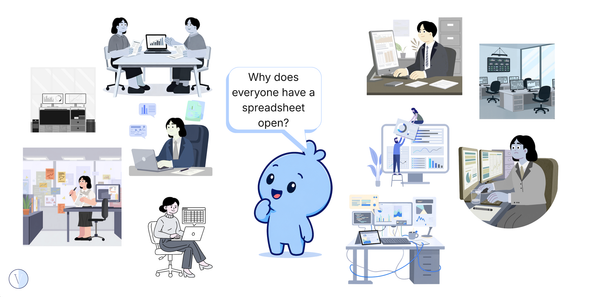
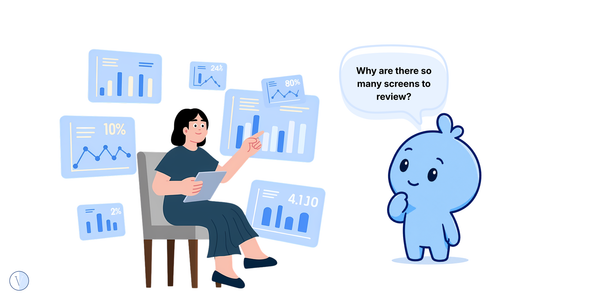
Five dashboards are rarely the real problem, the real problem is that the organisation may have never decided which question each dashboard answers, who owns it, and when it should be retired.
Use this when
This is for the moment when the conversation is real enough to need action, but not mature enough to justify a full playbook, programme, or steering committee.
The practical move
Start by writing the decision the dashboard is meant to support. A dashboard for “performance” is too vague, a dashboard for “monthly revenue variance by region for finance close review” is clearer. If the decision cannot be named, the dashboard may be a curiosity object, not a work asset.
Ask who can explain where the data comes from, when it refreshes, and what happens when it disagrees with another view. If that person does not exist, you do not have a dashboard ownership problem; you may have a truth ownership problem.
Local teams may need their own views, but those views should not become the enterprise answer. Mark local dashboards as local, mark governed dashboards as governed. These actions reduce the dashboard variance theatre.
Do not start with a giant dashboard cleanup programme, pick one duplicate dashboard and retire it with a clear note: what replaced it, who owns the replacement, and where people should go now.
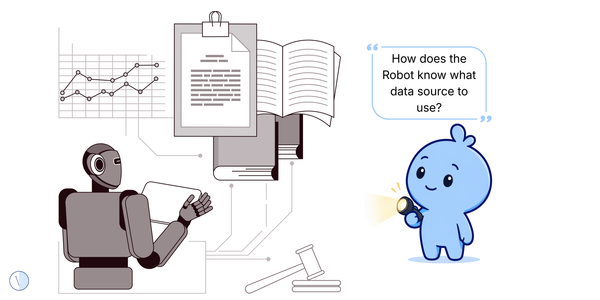
AI summaries are useful when the underlying source is trusted. If the AI is summarising five conflicting dashboards, it is not creating clarity; it is summarising the conflict.
Quick checklist
- Each dashboard has a named decision.
- Each dashboard has an owner.
- Duplicate metrics have a resolution path.
- Local dashboards are labelled local.
- AI summarises governed sources first.
Related Vieews paths
Guides keep the move light. Playbooks turn the move into a repeatable system.
Chaos
Why Are There 5 Dashboards?
The discovery scene that started the thread.
Signal
Signal: Dashboard Sprawl Is Operational Fragmentation
The pattern interpretation for Operators.
Playbook
Digital Work Portfolio
Use the structured playbook if the pattern becomes recurring work.
The scenarios in The Chaos are relatable narrations of organisational workplace patterns; details are illustrative and not references to any specific employer, client, person, or live incident.