Signal: AI Access Is Now Business-Continuity Risk
Many teams now treat AI access like a harmless utility, but once work depends on it, access becomes operational necessity. If people cannot get in, it does not matter that the servers are healthy, the workflow has stopped.
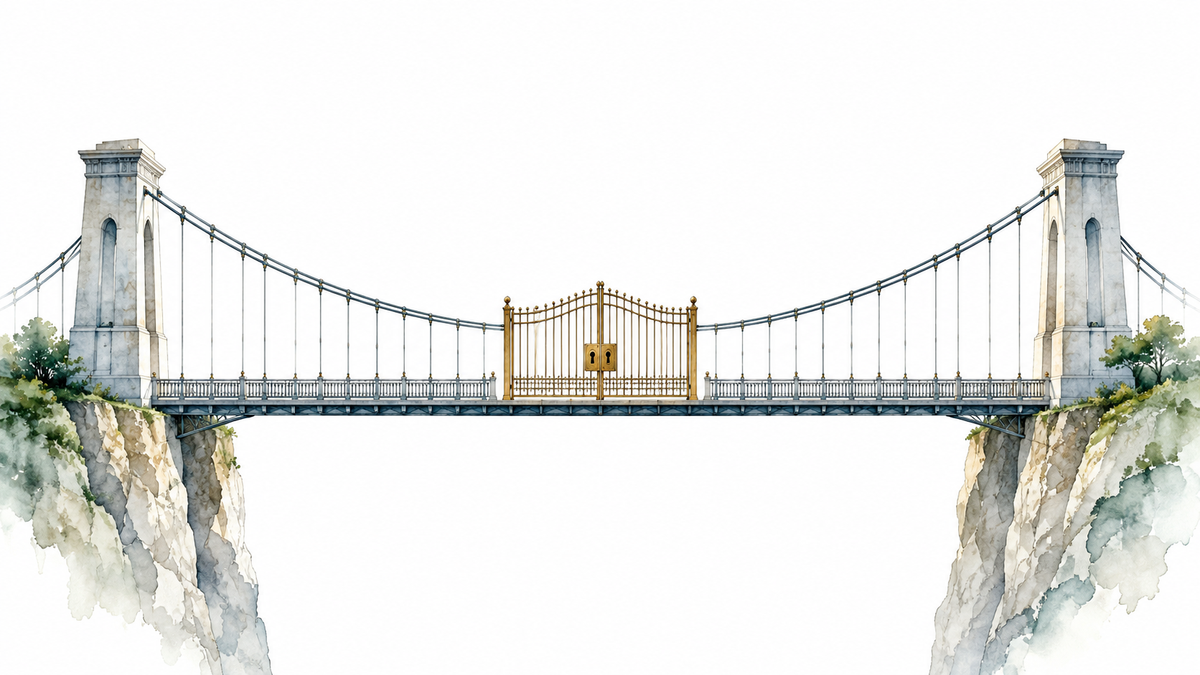
AI Access Is Now Business-Continuity Risk
When the model still runs but the door closes, the problem may be policy, contract, geography or governance, not an outage.
If your AI workflow can stop because access rules change, that is not just a tech issue, it is a continuity issue.
What showed up
A team assumes an AI tool is available because the vendor is live. However, a policy changes, a region rule changes, an admin control kicks in or a contract boundary appears, the system is still on but the AI access is still blocked.
Why it matters
Many teams now treat AI access like a harmless utility, but once work depends on it, access becomes operational necessity. If people cannot get in, it does not matter that the servers are healthy, the workflow has stopped.
The pattern
The old failure model was simple: the system is down. The new one is trickier: the system is up, but access is not. AI adds a layer where the building can work perfectly while the door to the building locks you out.
Where this shows up in everyday work
- A team builds a review workflow around one model, then finds access restricted by geography or compliance rules.
- Employees use personal AI accounts for work, then their organisation centralises admin control and the workflow changes overnight.
- A legal or procurement review blocks one supplier, leaving a team with no approved alternative for a task they already embedded into daily work.
- An AI feature is still technically available, but new usage limits, account rules or billing boundaries suddenly make it unreliable for real operations.
What to watch before it becomes another programme
- Map which tasks stop if access changes tomorrow, not just which tools are popular today.
- Check whether the workflow depends on one model, one account type or one geography.
- Separate technical uptime from access availability, because the two are no longer the same thing.
- Know who owns the supplier relationship, who controls admin settings and who decides when access is restricted.
- Create a fallback route for critical work so the team is not left explaining that the AI was healthy but unavailable.
The Satire
The company achieved 99.99% uptime but Users achieved 0% access.
Related Vieews paths
Signals pull the thread. Guides help check it. Playbooks hold the heavier structure when needed.
Chaos
The Blue Blob and the Door That Wasn't Broken
The discovery scene that started this thread.
Guide
AI Vendor Access Risk Guide
Use the practical check when you need the next simple move.
Playbook
Readiness Gate
Use the heavier structure when the topic needs more depth.
Useful context
AI continuity is no longer only about servers, latency or API uptime. It now includes supported-region rules, account control, contractual restrictions and governance decisions that can stop work without a crash.
These are Vieews, not bibles, use as basic lenses, not prediction, investment advice, or a replacement for doing your own investigation. If a line makes the spreadsheet uncomfortable, excellent, ask one more question, tug on that thread (don't get fired!).