Signals
Signal: Shadow AI Starts As Convenience
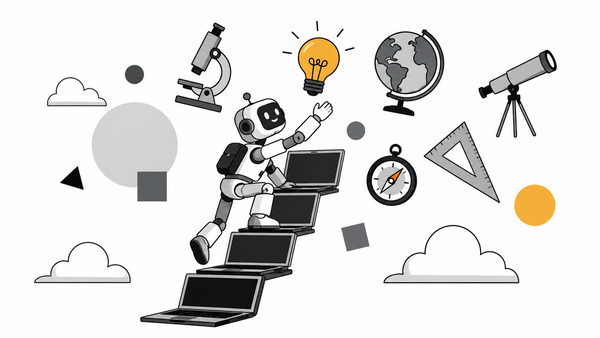
Shadow AI Starts As Convenience: Shadow AI rarely starts as rebellion. It usually starts as someone trying to finish work.

Signals
Shadow AI Starts As Convenience: Shadow AI rarely starts as rebellion. It usually starts as someone trying to finish work.
Signals
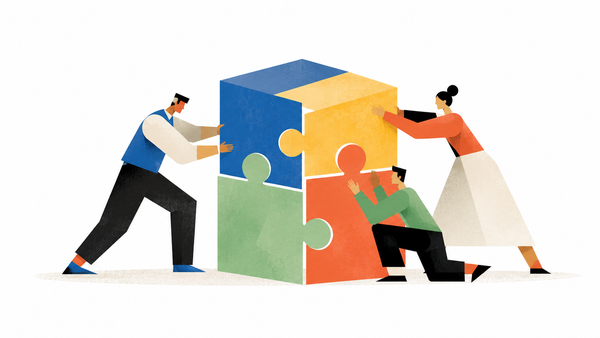
The Org Chart Updates Last: The work can change before the title, the pay band or the training catches up.

Signals
Speed Without Trust Creates Drag: Moving people faster than explaining the work does not create speed. It creates fog.

Signals
Summaries Are Not Decisions: A summary can remember the meeting and still not move the work.

Signals
Agents need boundaries before autonomy. A playground is not delay; it is where the fence gets designed.
Signals
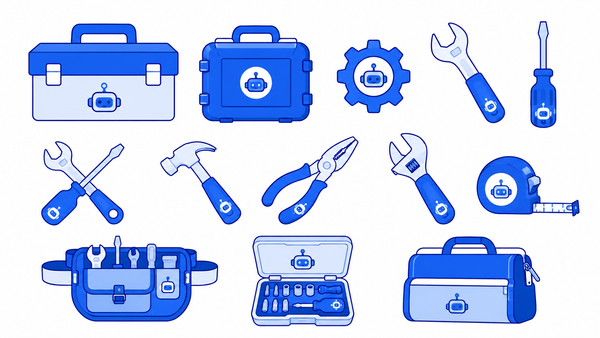
AI Literacy is generally not the same exact one skill. The role, task, data and review rules matter to bring confidence more than generic AI Skills umbrella term.

Signals
When the budget notices AI, usage discipline may subsequently arrive. The era of unlimited usage will eventually meets AI consumption cost.

Signals
Transformation without trust becomes theatre because if people cannot explain the change, they experience it as confusion. Check how many people can translate the change in one sentence for your transformation journey.

Signals
Prompt counts are useful, but they need an outcome sitting beside them. Before deciding on prompt usage dashboards, consider also measuring the why.
Signals
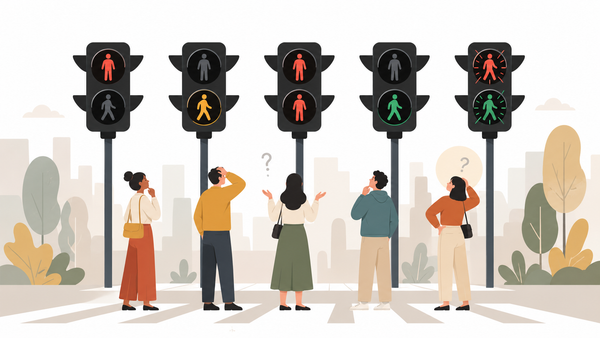
When builders move faster, judgement becomes the bottleneck to determine which design will be useful in the real world.

Signals
A Policy is not generally an operating guide. People need rules they can use in real work, not just the transformation or compliance announcements.

Signals
AI can make unnecessary work easier to preserve. Better notes are useful, but they do not automatically make the meeting necessary. Pattern is ensuring not more work is being added reviewing AI transcripts.