Guide: Shadow AI Pulse Form
Shadow AI Pulse Form - Before banning shadow AI: Ask what tool people use; Ask what task it helps; Check what data enters; Ask why the approved route fails; Create a safe route

Shadow AI Pulse Form
A lightweight pulse check for finding which AI tools people are actually using before the approved list becomes office fiction.
Before banning shadow AI, ask what work it is helping people finish.
What this guide helps with
This guide helps teams gather honest information about AI tool use without turning the first conversation into an investigation. It is useful for managers, IT, HR, risk, operations and anyone trying to move from hidden AI use toward safer, clearer practice.
Why now
AI tools are easy to access, useful enough to tempt people and confusing enough to govern badly. If organisations only ask “who broke policy?” they miss the real signal: people are voting with their workarounds.
The pattern
The pattern is that hidden use often reveals an unmet need. The tool may be risky, but the underlying task is real. A good pulse form finds the need, the data risk and the safer route.
The check
Start neutrally. “Which AI tools are you currently using for work?” is better than “Are you using banned tools?” The aim is to see reality before judging it. If people think honesty will be punished instantly, the pulse will only collect fiction.
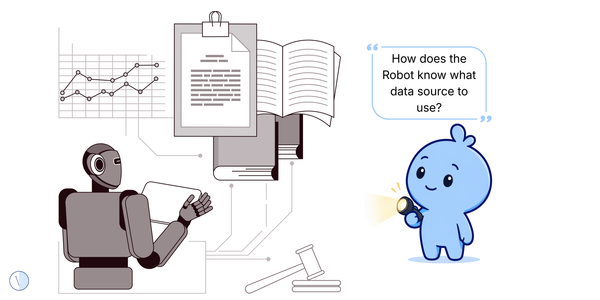
The tool name matters less than the work it supports. Is it drafting emails, summarising calls, checking code, making images, translating text, reviewing contracts or creating reports? The task tells you what the approved environment is failing to provide.
This is the risk line. Does the person paste customer names, financials, strategy, code, contracts, health data, employee data or confidential notes? Use plain categories so non-technical workers can answer without needing a privacy-law lecture.
Maybe the approved tool is missing, slow, expensive, hard to access, badly explained or not trusted. Sometimes people use shadow AI because the official route simply does not work for their actual job. That is useful information.
Does it save time, improve quality, reduce anxiety, help them learn or simply create a first draft? This separates convenience from real value. It also helps the organisation decide what safe version of the tool should exist.
People will move if the approved route is useful. Ask what they need: better access, clearer rules, faster response, approved templates, better models, private workspace or examples for their role.
The first pulse should not feel like a trap. Tell people the goal is to understand use and reduce risk, not to punish honest answers. There can still be rules, but discovery has to come before enforcement if you want real data.
If many people use unapproved tools for the same task, that is not random behaviour. It is a workflow gap. Either provide an approved tool, create safe-use rules or explain why the task cannot use AI. Silence will not stop the workaround.
Quick examples
| Situation | Better question |
|---|---|
| Employees use personal chatbots for client emails | What data is being pasted, and why is the approved tool not good enough for drafting? |
| Designers use outside image generators | What kind of content is being created, where is it published and what disclosure rule applies? |
| Developers use unofficial coding assistants | Is sensitive code being exposed, and what approved path could support the same work? |
| Managers use AI summaries from browser tools | What meeting data is being captured, stored or shared outside approved systems? |
The Satire
Shadow AI is what happens when the work finds a shortcut before the policy finds a sentence.
Related Vieews paths
Chaos scenes spot the contradiction. Signals name it. Guides give you the next simple move.
Chaos
The Blue Blob and the Secret Robots
The discovery scene that started this thread.
Signal
Shadow AI Starts As Convenience
The pattern behind this guide.
Playbook
AI Access & Shadow AI Control Pack
Use the heavier structure when needed.
Useful context
Use this guide as a light, non-punitive discovery tool before building rules, training or controls. The goal is to make the hidden map visible enough to manage.
These are Vieews, not bibles. Use them as simple lenses, not legal advice, investment advice, HR advice or a replacement for doing your own investigation. If a line makes the spreadsheet uncomfortable, excellent. Ask one more question and tug on that thread.