Guide: Role-Based AI Literacy Evidence Log
Role-Based AI Literacy Evidence Log: A light evidence log for showing that people understand the AI rules for the work they actually do, not just the training slide they once saw.

Role-Based AI Literacy Evidence Log
A light evidence log for showing that people understand the AI rules for the work they actually do, not just the training slide they once saw.
The useful evidence is not “we did AI training”. It is “this role knows what it can use AI for, with which data, under which review rule.”
What this guide helps with
This guide helps teams collect practical evidence that AI literacy exists where work happens. It is useful for managers, HR, legal, compliance, transformation teams and anyone rolling out AI tools without wanting to build a giant compliance cathedral.
Why now
AI literacy is moving from nice-to-have to operating discipline. But the gap is not another generic course. The gap is proving that people know the allowed-use rules for their actual role, workflow and data environment.
The pattern
The pattern is that training records are easy to collect, but work readiness is harder to see. A role-based log turns vague literacy into simple, checkable evidence.
The check
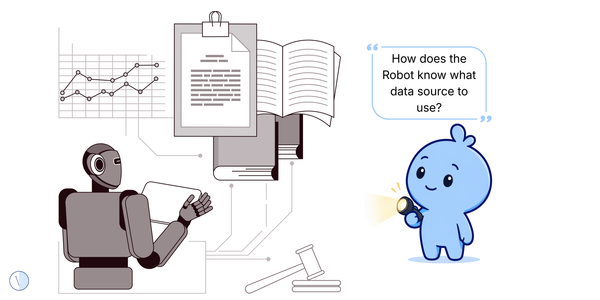
Start with the roles actually using AI, not the whole organisation at once. For example, marketing associate, HR coordinator, junior analyst, support agent and sales manager may all use AI differently. Each role needs its own allowed-use examples because the risks, data and review expectations are different.
Write down the tasks, not vague categories. “Draft LinkedIn posts”, “summarise customer feedback”, “review contract clauses” and “generate first-draft code comments” are clearer than “use AI for productivity”. Specific tasks make it possible to define boundaries and review rules.
For each role, write a short allowed-use rule and a short not-allowed rule. For example, an employee may use AI to summarise public research, but not paste confidential customer records into an unapproved external tool. Keep the rules plain enough that someone can remember them during work.
Decide when a human must check the output. Some tasks may need quick sense-checking, others need subject-matter review, and some should not use AI at all. A literacy log should capture the review rule, not just the fact that someone attended training.
Evidence can be lightweight. A short quiz, a signed acknowledgement, a practical scenario answer, a manager check-in or a completed workflow example can all show that the person understood the rule. The point is to avoid a folder of certificates that says nothing about real work.
AI literacy is not one-and-done. If a new tool is added, a role changes, data access expands or a policy changes, the evidence log should be updated. Otherwise the organisation may be proving literacy for yesterday’s work while people are already using tomorrow’s tool.
Quick examples
| Situation | Better question |
|---|---|
| Marketing team drafts social posts | Can they explain when AI-generated content needs review, editing or labelling before publication? |
| HR team summarises employee feedback | Do they know which employee information is too sensitive for the tool they are using? |
| Analysts use AI for first-draft research | Can they explain source-checking and when not to treat the output as evidence? |
| Managers use AI to rewrite performance comments | Do they understand privacy, fairness and review expectations before using the output? |
The Satire
A certificate is lovely. It is not a permission slip for every spreadsheet in the building.
Related Vieews paths
Chaos scenes spot the contradiction. Signals name it. Guides give you the next simple move.
Chaos
The Blue Blob and the Classroom Door
The discovery scene that started this thread.
Signal
AI Literacy Is Knowing What You Are Allowed To Do At Work
Use the signal when you want the pattern named clearly.
Playbook
Readiness Gate
Use the heavier structure when you need the deeper lens.
Useful context
This guide supports the AI Rollout & Literacy Control Kit by turning AI literacy into work-specific evidence rather than a generic training receipt.
These are Vieews, not bibles. Use them as simple lenses, not legal advice, investment advice, HR advice or a replacement for doing your own investigation. If a line makes the spreadsheet uncomfortable, excellent. Ask one more question and tug on that thread.