Guide: A Human Dependency Check on Who Keeps the Handoff Moving
A simple check for spotting whether a process depends on one person to translate, reformat, explain or move work between teams and tools.
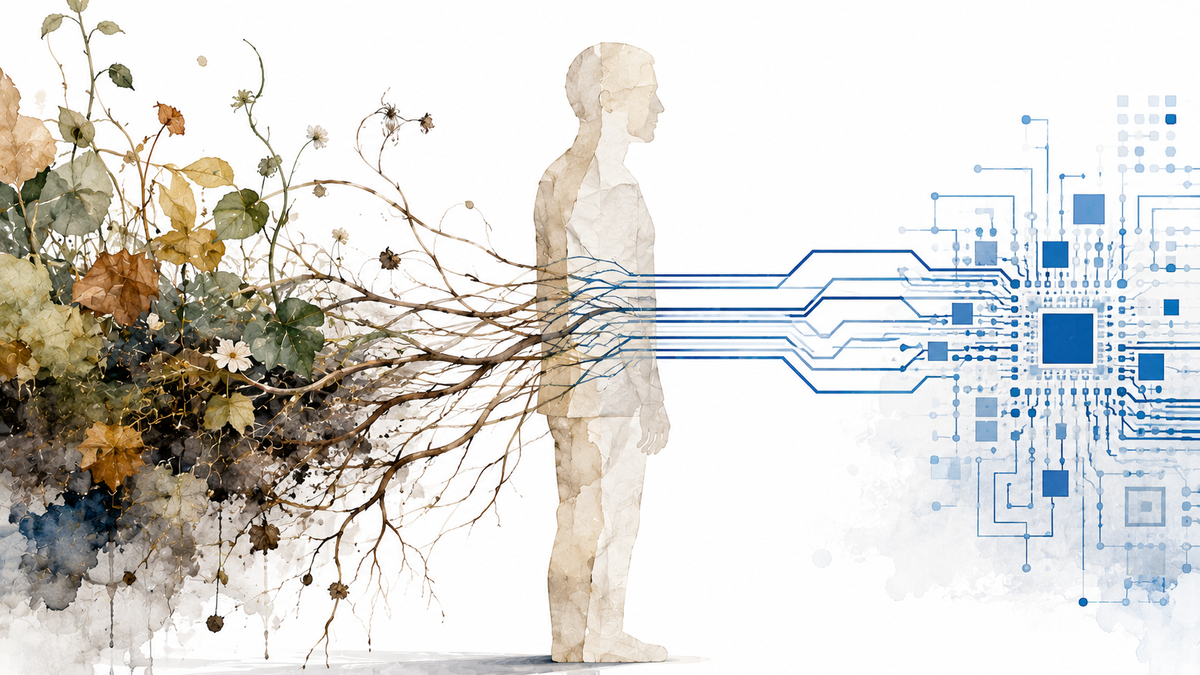
Who Keeps the Handoff Moving?
A simple check for spotting whether a process depends on one person to translate, reformat, explain or move work between teams and tools.
The handoff may look automated until the person who understands it is unavailable.
What this Guide helps with
Use it when work repeatedly waits for the same person, email, meeting, translation step or manual judgement before it can move between teams or systems.
Keep it small
Pick one recurring handoff, don't map the whole organisational processes. Follow one item from sender to receiver and see who makes it understandable.
The Pattern behind this Guide
Human API: this public Pattern post contains the quiz that leads into this Guide.
The check
Choose something specific: a customer request, deal handoff, access change, invoice, report, AI output or order update.
Record the teams, tools and people on either side of the handoff.
Look for reformatting, rewording, explaining, translating, checking or routing that one person does repeatedly.
Record how often people ask the same person for context, approval, status or translation.
Ask what happens if that person is on leave, busy, promoted or gone.
The person may be doing valuable work. The question is whether the dependency is visible and owned.
Use this small log
| Handoff | Human step | Why it exists | What breaks if absent? |
|---|---|---|---|
| Sales to Operations | Priya reformats deal notes | Ops needs different fields | Order setup waits |
| Finance to programme team | Analyst explains variance categories | Dashboard does not carry context | Meeting stalls |
| HR to IT access | Coordinator translates role changes | Systems use different terms | Access lags |
Where this commonly hides
Quick examples
| What you see | Question to ask |
|---|---|
| Everything waits for one person | What do they know that the process does not carry? |
| The handoff is “automated” but one person checks it daily | What failure are they preventing? |
| People copy the same person into every request | Are they approving, translating or rescuing? |
| A backup exists but nobody trusts it | What knowledge has not been transferred? |
The Satire
The systems were integrated with a human installed between them for stability.
Field Note
The Blue Blob and the Finished Transformation
The room where the strange post-transformation clues appear.
Pattern quiz
Why Does Everything Still Have To Go Through One Person?
Five quick questions about Human API energy.
More Patterns
Keep spotting what returns.
Browse more quizzes and the strange work hiding behind new technology.
Want the deeper version when it lands?
The deeper Human API Insight and future Toolkit are coming later. Subscribe for the next Pattern drop.
This is a lightweight Guide, not an organisational diagnosis or instruction to remove required controls. Some manual steps, approvals, training supports or handoffs exist for valid reasons. The useful question is whether the reason, owner and failure point are still clear.